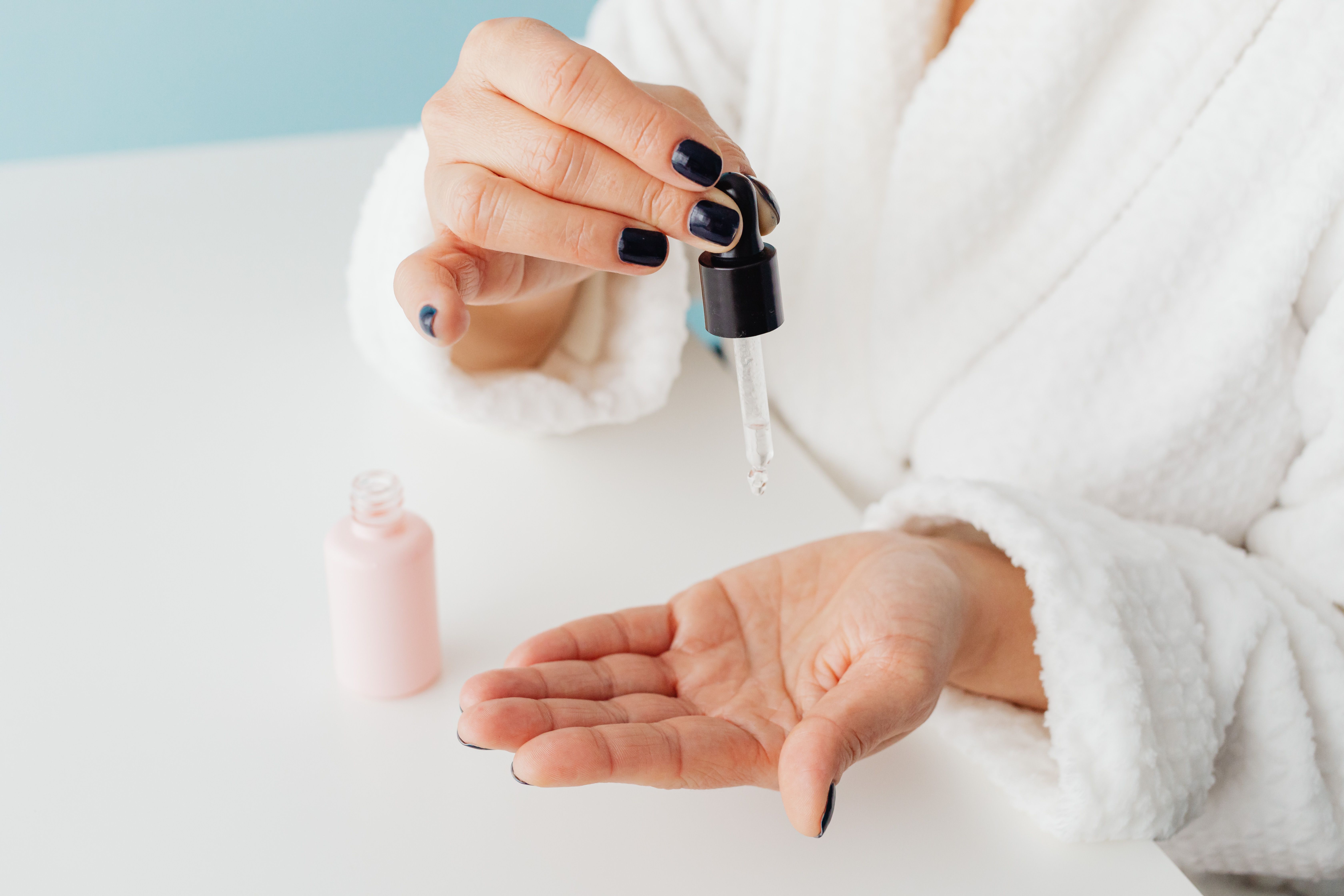
We Found 5 Moisturizers That Actually Help Oily, Acne-Prone Skin
Acne prone skin needs moisture and finding the right one can make a massive difference to your results.


If you have oily or acne-prone skin, finding a moisturizer that feels right can be frustrating. Some leave your face shiny within an hour, while others feel too light to do much of anything. And if you break out easily, it's tempting to skip moisturizer altogether.
But here's what I want you to know: oily skin still needs hydration. Your skin can produce plenty of oil and still lack water, especially if you're using treatments like salicylic acid, benzoyl peroxide, or retinoids.
A good moisturizer helps your skin hold on to moisture and stay comfortable without leaving it feeling greasy. It can also make acne treatments easier to tolerate.
I've narrowed this list down to five moisturizers that suit different needs. Some are better for controlling shine, others for sensitive skin, and a couple are particularly useful if your skin needs hydration but you can't stand the feeling of a heavy cream.
The Best Moisturizers for Oily, Acne-Prone Skin at a Glance
- Best for excess oil and shine: CeraVe Oil Control Moisturizing Gel-Cream
- Best for acne-prone skin needing barrier support: Paula's Choice CLEAR Oil-Free Moisturizer
- Best for everyday lightweight hydration: Neutrogena Hydro Boost Water Gel
- Best for hot, humid weather: Beauty of Joseon Red Bean Water Gel
- Best for dryness caused by acne treatments: Vanicream Daily Facial Moisturizer
If your main complaint is excess shine, I'd start with CeraVe. If your skin is oily but also feels dry or uncomfortable, Paula's Choice or Vanicream may be better options.
For those who really dislike the feeling of moisturizer on their face, Neutrogena Hydro Boost and Beauty of Joseon are worth looking at.
What to Look for in a Moisturizer for Oily or Acne-Prone Skin
You don't necessarily need a moisturizer with acne-fighting ingredients. In fact, if you're already using something to treat breakouts, I'd often prefer a straightforward moisturizer that focuses on hydration and keeping your skin comfortable.
Here's what tends to work well:
- Lightweight textures: Gels, gel-creams, and fluid lotions are good starting points if your face gets oily quickly.
- Hydrating ingredients: Glycerin, hyaluronic acid, panthenol, and sodium PCA help your skin hold on to water.
- Barrier support: Ceramides and other skin-conditioning ingredients are particularly useful if you're using acne treatments.
- Low clogging risk: Look for products labeled non-comedogenic or suitable for acne-prone skin, although no formula works for everyone.
- Minimal irritation: If your skin is sensitive, fragrance-free formulas may be a better choice.
I wouldn't get too caught up in avoiding individual ingredients. Silicones, certain oils, and even richer ingredients like shea butter aren't automatically bad for acne-prone skin. It depends on the complete formulation and how your skin responds.
Your Skin's Needs Can Change Throughout the Year
One thing I've noticed over the years is that oily skin doesn't always behave the same way.
You might find that a moisturizer you loved during fall and winter suddenly feels greasy when the weather gets warmer.
If you menstruate, you might also notice your skin becoming oilier in the days leading up to your period. Sometimes the moisturizer you normally enjoy starts feeling too heavy, and you may notice more breakouts.
I wouldn't necessarily blame the moisturizer for those breakouts, though. Hormonal changes can affect acne regardless of what you're applying.
It's worth paying attention to these shifts. Sometimes a lighter moisturizer, or simply using less of your regular one, is enough. Other times, particularly if you're using acne treatments or dealing with colder weather, your skin might need more moisture.
These Are the 5 Moisturizers I Recommend Considering
1. CeraVe Oil Control Moisturizng Gel-Cream
Best for: Very oily skin that gets shiny throughout the day.
If your face starts looking greasy a couple of hours after washing it, I'd look for a moisturizer that does a little more than hydrate.
CeraVe's Oil Control Gel-Cream contains oil-absorbing ingredients, including silica, that help reduce surface shine. It also has niacinamide, hyaluronic acid, and ceramides to help your skin retain moisture.
I like the balance here. You're getting a moisturizer designed to control excess shine without relying on an overly drying approach.
I'd lean toward this one if your biggest complaint is looking greasy by midday, particularly during warmer weather. It may also be useful under makeup if you prefer a more matte finish.
If your skin is already peeling or feeling tight from acne treatments, though, I wouldn't make oil control your first priority. One of the more moisturizing options below might feel better.
2. Paula's Choice CLEAR Oil-Free Moisturizer
Best for: Acne-prone skin that also needs hydration and barrier support.
If your skin is oily but occasionally feels dry, irritated, or uncomfortable, this is one I'd consider.
Paula's Choice CLEAR is designed specifically for blemish-prone skin. It contains niacinamide, ceramides, and other ingredients that help support the skin barrier while providing lightweight hydration.
What I like about this one is that it doesn't try to turn your moisturizer into another acne treatment.
When you're already using salicylic acid, benzoyl peroxide, or a retinoid, the last thing you necessarily need is another product that makes your skin work harder.
I've recommended this type of moisturizer for nighttime use when the skin needs a break from more intensive treatments.
It has a slightly more lotion-like feel than the water gels on this list. If your skin gets extremely oily or you dislike that feeling, Neutrogena or Beauty of Joseon may suit you better.
3. Neutrogena Hydro Boost Water Gel
Best for: Everyday lightweight hydration without a heavy cream.
This is one I've used myself, and I can understand why it remains so popular.
Neutrogena Hydro Boost Water Gel has a light, refreshing texture that makes moisturizing oily skin feel less like a chore. It absorbs quickly and provides hydration without the richness of a traditional cream.
It contains glycerin and hyaluronic acid, which help the skin attract and retain water.
One of my cousins also uses it in the mornings, and it's one of the few moisturizers that hasn't irritated her skin.
I think this is a good everyday choice for someone who wants a simple moisturizer and prefers a fresh, slightly dewy finish rather than something completely matte.
The regular Water Gel does contain fragrance, so I wouldn't automatically recommend it to someone whose skin reacts easily to fragranced products. But if you've used fragranced skincare without issues, that alone wouldn't put me off recommending it.
If your goal is to control significant shine, CeraVe is probably the better choice. Hydro Boost is more about giving your skin lightweight hydration.
4. Beauty of Joseon Red Bean Water Gel
Best for: Very oily skin, especially in hot or humid weather.
If you live somewhere hot and humid, you probably know the feeling of applying moisturizer only to wish you hadn't five minutes later.
Beauty of Joseon's Red Bean Water Gel is worth considering if that's a familiar problem.
It has a very light gel texture and contains red bean extract, which the brand uses for its oil-balancing properties. The formula also includes glycerin, panthenol, and other ingredients that help with hydration.
What appeals to me about this moisturizer is that it's designed with oily and combination skin in mind. Rather than trying to provide the richness of a cream, it focuses on hydration without heaviness.
I'd consider it for someone whose face gets greasy quickly, particularly during summer or in a humid climate.
It may also work well over a hydrating serum when you want another layer of moisture without using a heavier lotion.
The trade-off is that very light gels aren't always enough if your skin is dehydrated or experiencing dryness from acne treatments. In that case, I'd look at Paula's Choice or Vanicream instead.
5. Vanicream Daily Facial Moisturizer
Best for: Acne-prone skin that's become dry from treatments.
Not everyone with oily skin needs the lightest possible moisturizer.
If you're using a retinoid or benzoyl peroxide and your skin has started feeling tight, flaky, or uncomfortable, a water gel may not be enough.
That's where Vanicream Daily Facial Moisturizer comes in.
It contains glycerin, squalane, hyaluronic acid, and five types of ceramides to help moisturize and support the skin barrier.
It's also fragrance-free and formulated with sensitive skin in mind.
I would lean toward this one if your acne treatments are working but your skin is struggling with the dryness that sometimes comes with them.
It has a more substantial lotion texture than the other moisturizers here, so I wouldn't make it my first choice for someone who's extremely oily throughout the day.
But that's also why it earns a place on this list. Sometimes oily, acne-prone skin needs more moisture, not less.
How to Moisturize Oily, Acne-Prone Skin Without Feeling Greasy
Sometimes the problem isn't the moisturizer itself. It's how much you're using or what you're layering underneath it.
Here are a few things I'd suggest trying before giving up on a product:
Start with a small amount. You don't need to apply a thick layer just because the instructions say to moisturize. Start with a little and add more if your skin needs it.
Apply it after cleansing. Slightly damp skin can be a good time to apply moisturizer, before your face starts feeling dry or tight.
Use different amounts on different parts of your face. Your forehead and nose might need very little, while your cheeks or the area around your mouth may benefit from more.
Look at the rest of your routine. If you're using a hydrating serum, moisturizer, and sunscreen, you may simply have too many layers for your skin's needs that day.
Don't overlook your cleanser. If your face feels squeaky clean or tight after washing, your cleanser may be too harsh. Switching to a gentler one might help more than changing moisturizers.
During the day, finish with a broad-spectrum sunscreen of at least SPF 30. If your sunscreen is moisturizing enough, you may not always need a separate moisturizer underneath it.
A Few Things Worth Knowing About Oily, Acne-Prone Skin
Don't assume oily skin needs stronger cleansing. Trying to remove every trace of oil can leave your skin feeling uncomfortable, particularly if you're already using acne treatments.
Don't automatically avoid every oil or butter. Some people with acne-prone skin tolerate ingredients like shea butter or certain plant oils perfectly well. I'd judge the complete formula rather than reject a product because of one ingredient.
Don't rely on facial oils alone if your skin is dehydrated. Oils can soften the skin and help reduce moisture loss, but they don't provide the same combination of water-binding and moisturizing ingredients found in a well-formulated moisturizer.
And remember that moisturizer isn't an acne treatment. The right one can help keep your skin comfortable and make treatments easier to tolerate, but it won't necessarily prevent hormonal breakouts or clear clogged pores.
If you're a teenager, you might find our simple skincare routine for teens with oily or combination skin useful.
Frequently Asked Questions
What is the best lightweight moisturizer for oily, acne-prone skin?
If your skin gets very oily and shiny, I'd consider CeraVe Oil Control Gel-Cream. It offers hydration while helping reduce surface shine.
If you prefer a lighter, more refreshing gel without the matte finish, Neutrogena Hydro Boost Water Gel or Beauty of Joseon Red Bean Water Gel may be better choices.
The right one depends on whether you want to control shine or simply moisturize without heaviness.
What moisturizer is best for oily, acne-prone and sensitive skin?
I'd lean toward a fragrance-free moisturizer that helps support your skin barrier.
Paula's Choice CLEAR Oil-Free Moisturizer is worth considering if your skin is oily but also gets dry or uncomfortable.
If you're experiencing more significant dryness from acne treatments, Vanicream Daily Facial Moisturizer may be a better fit.
Can I use a serum instead of a moisturizer?
Sometimes, especially if your skin is very oily. A well-formulated hydrating serum may provide enough hydration on its own, particularly if you're following it with a moisturizing sunscreen during the day.
But it depends on the serum and what your skin needs. Some hydrating serums contain mainly water-binding ingredients, while others also include lightweight emollients that help soften the skin and reduce moisture loss.
If your skin feels comfortable throughout the day, you may not need another layer. If it starts feeling tight or dry, follow with a lightweight moisturizer.
Is an oil-free moisturizer better for acne-prone skin?
Not necessarily.
Oil-free moisturizers are often a good starting point if your skin gets very oily, but that doesn't mean every product containing oils will clog your pores.
Some moisturizers contain small amounts of oils or other emollients to help soften the skin and reduce moisture loss.
I'd pay more attention to the finished formula and how your skin responds than whether the label says oil-free.
How do I know if a moisturizer is clogging my pores?
If you start noticing more clogged pores or small bumps after introducing a new moisturizer, the product could be contributing.
But don't assume every breakout is caused by your moisturizer. Hormonal changes, acne treatments, and other skincare products can all play a role.
Try introducing one new product at a time and pay attention to your skin over the following weeks. If a moisturizer consistently seems to make things worse, stop using it and reassess.
Do I need to change moisturizers in summer and winter?
You might, but you don't necessarily need two different products.
A moisturizer that feels perfect in January might seem too heavy by July. Some people switch to a lighter gel during warmer months, while others simply use less of their regular moisturizer.
The goal is to keep your skin comfortable, not follow exactly the same routine every day regardless of how your skin feels.
Still unsure what your skin needs? Take our free skincare quiz to see your personalized routine. No email signup required.
Related Reading
- 3 Step Morning Routine for Oily, Acne Prone Skin
- How to Calm Breakouts Fast Without Wrecking Your Skin
- Best Gentle Exfoliants for Texture and Sensitive Skin With No Irritation
- The Best Sunscreens for Dark Spots and Why They Work